How we help owners of a Mastic house that needs repairs
Our genuine advantage here is that we run millions of dollars of construction a year, so we know what the repairs on a Mastic house actually cost rather than guessing at them.
That is useful to you even if you never sell to us. We will tell you what we think the repairs run, which ones a buyer's lender will insist on, and which are cosmetic and not worth doing before a sale. If that analysis points toward making the repairs and listing rather than selling as-is, we will say so, and it happens more often than people expect.
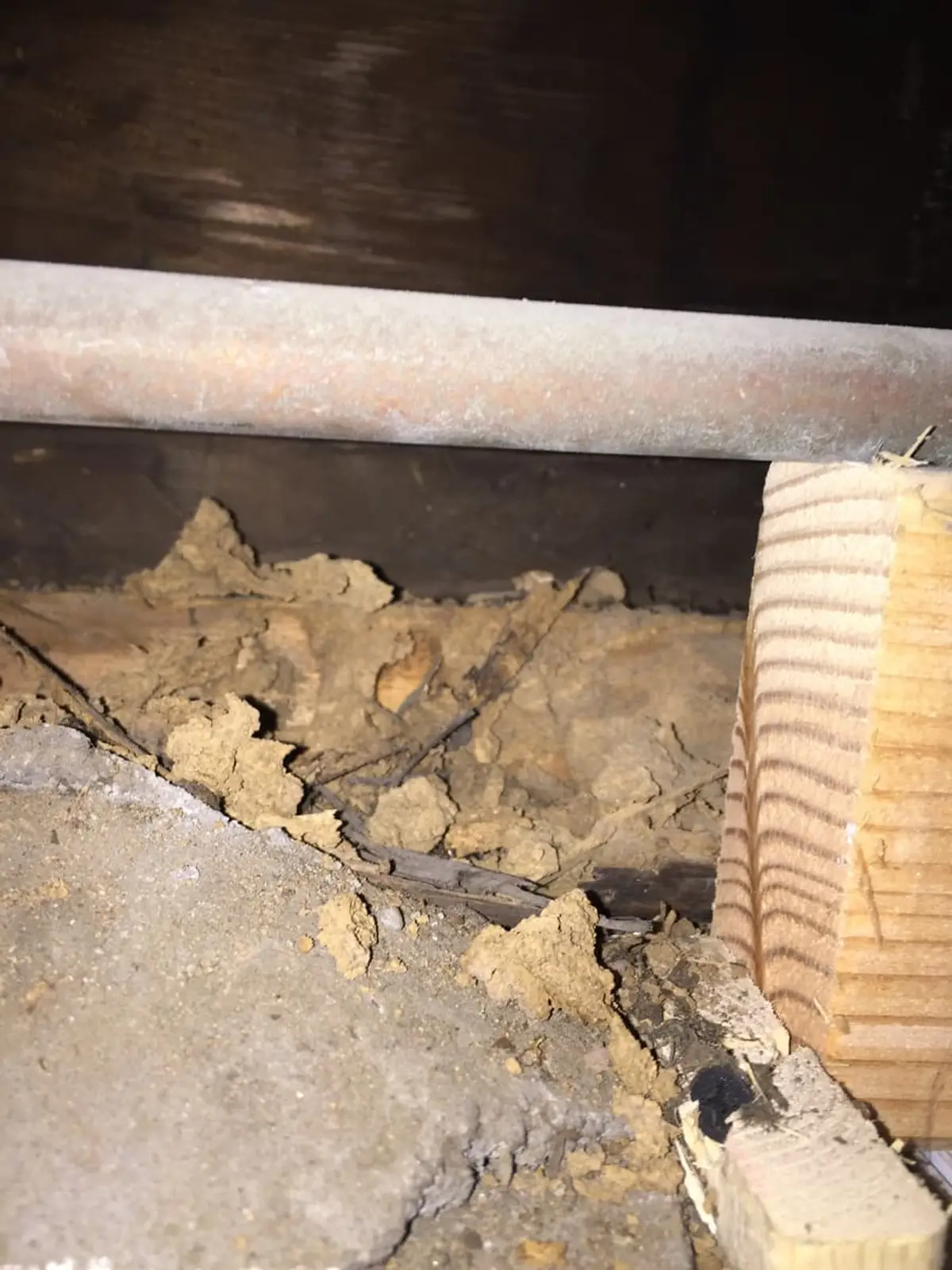
Selling a Mastic house without making any repairs
The repairs stop being your problem the moment we agree a price. We are buying the house in the condition it stands in today, and the offer reflects exactly that.
What we will not do is what a retail buyer usually does: agree a price, send an inspector, then come back with a list of repairs and a demand for a credit. The repairs were in our number the first time. A Mastic seller should be able to plan around a figure that does not move.
Why local knowledge changes the number
A three-bedroom on Stuyvesant Avenue. A three-bedroom on George Drive. A three-bedroom on Clinton Avenue. All of them in Mastic, all bought by us.
Mastic is roughly 15,404 people in Suffolk County, ZIP 11950, and the housing stock is mostly ranch, cape cod, bungalow. Around Montauk Highway and Mastic Road, most of it is old enough that the mechanicals are on their second or third life. We have bought enough here to know which streets take water, which blocks still have oil tanks in the ground, and what the William Floyd Union Free School District does to a resale price.
The repair-then-list arithmetic on a Mastic house
The median house in Mastic sold for $540,000 and took about 27 days to go under contract, then another 45 to 60 days waiting on the buyer's mortgage. That is 72 to 87 days in total, for a house that was ready to show on day one. That assumes a house in showable condition. Getting there means paying for the repairs up front, carrying the house while the repairs are being done, then paying commission and closing costs on the far side.
Sellers frequently find that the finished-house price, minus the repairs, minus the carry, minus the commission, lands close to a straightforward cash offer they could have taken months earlier with none of the risk attached.
Contractor pricing, and why it changes the math
People reasonably ask how we make money buying houses that need repairs when a homeowner making the same repairs often loses money on them. The answer is not clever. It is volume.
Because we are running construction constantly, we buy materials at contractor pricing and our crews are already scheduled. The repairs on your house cost us in the region of half what you would be quoted to have them done. Same work, same standard, different cost basis, and that difference is what funds the offer we hand you.
How selling a house sold as-is in Mastic works
- 1
You give us the address
The street address in 11950 and a sentence or two about the condition, by phone or the form. No photos needed, and nothing has to be cleaned or repaired first.
- 2
We walk through it once
A single visit by one person, normally under thirty minutes. With a ranch or cape cod built when most of Mastic was, the roof, heating and electric matter far more to us than the kitchen does.
- 3
You get a number in writing
Within 24 hours, as a written figure rather than a range or a "starting around". Take it to a Suffolk County agent for a second opinion if you want to. On a house already in showable condition, listing may well beat us, and we would rather you knew that.
- 4
Closing happens on your date
If you need it done quickly, it can be. If probate, a tenant or a move means waiting, we wait. What you skip is the 72 to 87 days a Mastic listing usually spends on finding a buyer and then on that buyer's lender.
Which repairs return their cost before a sale, and which do not
Broadly, the repairs that stop a buyer's lender objecting are worth making, and the repairs that only make a house prettier are not, if you are selling rather than staying. A roof that fails an appraisal blocks the sale outright. A dated kitchen only reduces the price, and rarely by as much as a new kitchen costs.
This is why a homeowner usually does not get their money back on pre-sale repairs. You pay retail for labor and materials, then recover whatever the market decides to give you, and those are not the same number.
Why repairs are normal in Mastic housing stock
Long Island housing of a certain age carries a predictable set of repairs: an oil tank nobody wants to discuss, a roof at the end of its run, old wiring in a corner of the attic, a basement that takes water every spring.
We have seen every item on that list many times over. In Mastic specifically, the ranch and cape cod stock tends to need the same handful of repairs, which is exactly why we can price a house quickly and stand behind the number.
What you do not pay when you sell a house sold as-is
These are the costs of putting a house sold as-is on the market through an agent. None of them apply when you sell to us.
- Agent commission
- $27,000 at 5% of the Mastic median none
- Seller closing costs
- About $10,800 on a $540,000 sale. We can cover these. none
- Repairs to make it listable
- Whatever the house needs, paid up front none
- Cleanout and removal
- Per truckload, before anyone views it none
- Carrying costs while it waits
- Taxes, insurance and utilities across the 72 to 87 days it takes to find a buyer and then wait on their lender none
Get an as-is number before you spend on repairs
Whatever repairs you are about to commit to, get a written as-is figure first. It costs nothing and it gives you the one comparison that matters: what the house is worth today against what it might be worth after you have spent the money and the months.
Sometimes the repair route clearly wins and we will say so. What you should not do is discover afterward that a large check written for repairs moved the sale price by rather less than the check.
Common questions
Can you sell a house as-is?
You can, and to a cash buyer it is the normal way to sell. The price already accounts for the condition, so there is no repair list and no renegotiation after an inspection. Selling as-is is about repairs, not paperwork. Whatever disclosure a Suffolk County seller owes still applies, and your attorney is the one to confirm it.
How bad does a Mastic house have to be before you walk away?
We have bought houses that needed taking back to the studs and a few that needed demolition. The scale of the repairs changes the number, not whether we are interested.
Should I get my own inspection?
Not on our account. If you already have a report, show us and it saves a little time. If you do not, spend the money elsewhere, because we will be assessing the repairs ourselves anyway.
Will you ask for a credit for the repairs after the inspection?
No. The repairs are priced into the offer when we make it. A number that moves after the fact is exactly what sellers in this position are trying to get away from, and we know that.
Would I do better making the repairs and listing?
It happens, particularly when the repairs are cosmetic and the Mastic market is moving. It happens less often when the repairs are structural, or when the money has to be borrowed. We will give you an honest read either way.
Can you point me to a contractor if I decide to make the repairs?
Yes. We work with trades across Nassau and Suffolk constantly, and we are glad to point you at people who do good work at fair prices, even when the outcome is that you list the house instead of selling it to us.