What Mastic houses are selling for right now
The median sale price in Mastic is $540,000, up sharply, 16.5% on the year. The median house takes about 27 days to go from listed to a signed contract.
That second number is the one sellers underestimate. It measures only the first leg, the wait for somebody to sign. After that a financed buyer's lender needs another 45 to 60 days to appraise the house and underwrite the loan, so the honest figure from listing to keys is closer to 72 to 87 days, assuming nothing goes wrong.
These figures come from Redfin's published data for ZIP 11950, dated 2026-05. We refresh them rather than leaving a number on the page to go stale, and we would rather quote a source you can check than an in-house statistic you cannot.
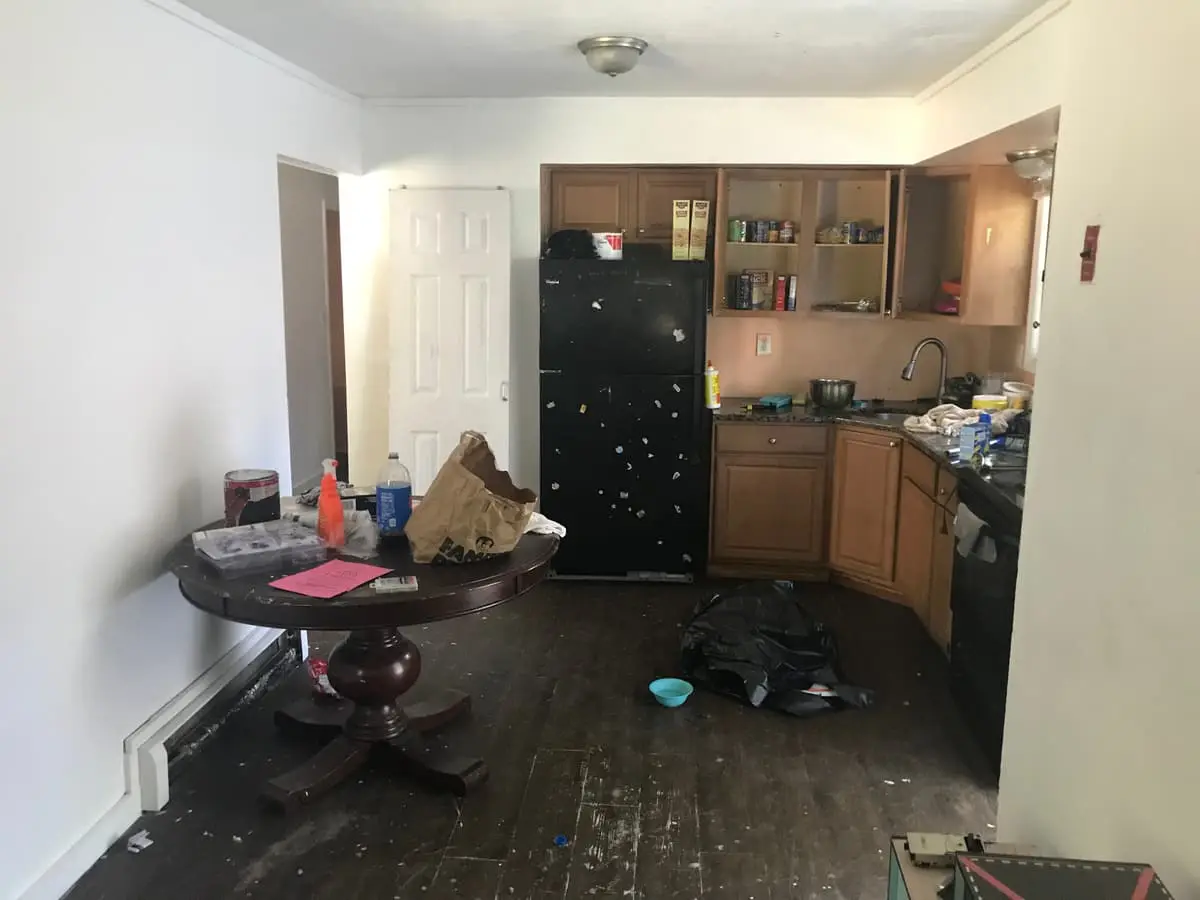
Why your Mastic house may be worth nothing like the median
The gap between the Mastic median and what a particular house fetches comes down to three things: what condition it is in, whether a bank will lend against it, and how quickly the seller needs to be finished.
That last one is real and rarely stated. A seller who can wait out a full retail sale has access to the top of the market. A seller who cannot, because of a deadline, a second property, or a situation at home, is choosing from a smaller set of buyers, and the price reflects it. Neither position is wrong. They are just different markets.
Which houses move and which ones stall
Mastic's stock is largely ranch, cape cod, bungalow, most of it built well before current code. On housing that age the expensive faults are mechanical rather than cosmetic: the boiler, the electrical service, the roof, and whatever was done to the house over the decades without a permit.
A kitchen from the nineties will cost you a little on price. An open permit or a structural question will cost you the financed buyer pool entirely, which costs far more. When people ask what to fix before listing, that is the honest ranking.
What this means if your house needs work
Run the arithmetic properly before you decide. Repairing to listable condition means paying for the work up front, carrying the house while it is done, then paying commission and closing costs at the end, and hoping the Mastic market holds through all of it.
Sellers frequently find the finished price, minus repairs, minus carry, minus commission, lands close to a cash number they could have taken months earlier without the risk. Sometimes it does not, and repairing genuinely wins. The only way to know is to get both figures in front of you, which costs nothing.
What you do not pay
Every line below is a cost of listing a house the retail way that simply does not arise here.
- Agent commission
- $27,000 at 5% of the Mastic median none
- Seller closing costs
- About $10,800 on a $540,000 sale. We can cover these. none
- Repairs to make it listable
- Whatever it takes to make it listable, paid in advance none
- Cleanout and removal
- Paid per load, before a single buyer walks through none
- Carrying costs while it waits
- Taxes, insurance and utilities through the 72 to 87 days a listing takes to sell and close none
What days on market actually measures
Days on market counts from the day a house is listed to the day a contract is signed. It stops there. It does not count the weeks of preparation before the listing went up, and it does not count the wait afterward while the buyer's lender does its work.
So when you see about 27 days for Mastic, read it as the first of three stretches. Before it: repairs, cleaning, photographs, pricing. After it: the appraisal and underwriting, which is where a financed deal most often dies. Sellers who plan around the middle number alone are consistently surprised.
Whether to sell now or wait
The honest framing is that market timing is the smallest of the three variables in front of you. The other two are condition and time, and both are usually within your control in a way the market is not.
A house that can be financed and shows well does better in a strong market than a weak one, which is a real consideration. A house that cannot be financed sells to the same narrow pool of cash buyers in either market, so the direction of the Mastic median changes very little about the outcome.
How the Mastic market feeds into what we can pay
We work backwards from what a house is worth once it is finished, so the Mastic market sets the ceiling on everything we do. When resale values rise, the numbers we can pay rise with them. When they fall, they fall.
What does not move with the market is the cost of the work. A roof costs what a roof costs whether prices are up or down, which is why offers on houses needing heavy work are less sensitive to the market than offers on houses needing little. On a property where the repair bill is the dominant term, the market is close to a rounding error.
Common questions
Is now a good time to sell in Mastic?
Honestly, the market is usually the smallest variable. Condition, whether the house can be financed, and how much time you have decide the outcome far more than whether prices moved a few points this year.
Why is your offer below the Mastic median?
Because the median describes renovated houses selling to financed buyers after a months-long wait, and that is a different transaction. We buy unrenovated, pay cash, close on your date, cover the closing costs and take the repair risk. The number reflects all of that. What we will not do is pretend otherwise. If your Mastic house is in good condition and you can wait, listing will usually beat us and we will say so.
How current are these figures?
These figures come from Redfin's published data for ZIP 11950, dated 2026-05. We refresh them rather than leaving a number on the page to go stale, and we would rather quote a source you can check than an in-house statistic you cannot.